Permits
Dumpster Permits in Duluth, Superior and Nearby
Driveway first: a Duluth street spot needs an Obstruction Permit, Superior needs a Public Works permit, and MnDOT has no container permit.
Sizing · 7 min read
Too small and you may need multiple hauls. Too big and you pay for space you do not use. Here is how we match the size to the job when you call.
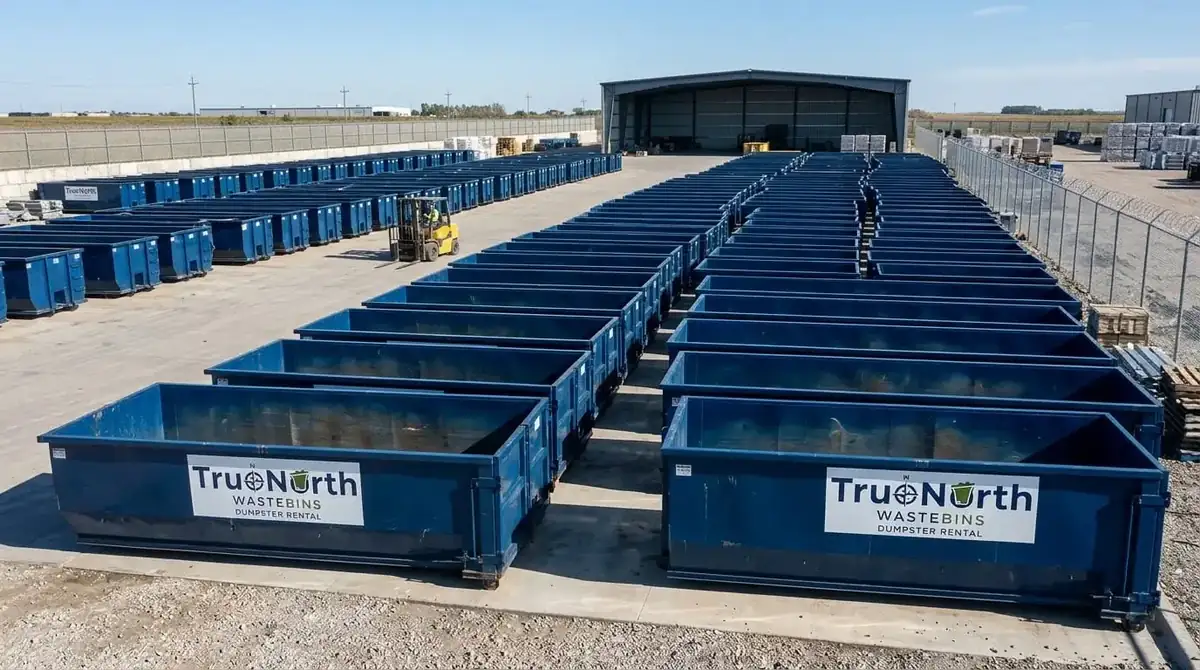
For most home projects in Duluth and Superior, the 20 yard dumpster is the place to start. It is one of our most popular sizes, with the right balance of size and efficiency for kitchen and bathroom remodels, whole-home cleanouts, roofing projects and yard and landscaping debris, and it works for residential and light commercial jobs alike. Go 10 yard for small kitchen or bathroom remodels, roofing tear-offs, concrete, tile or asphalt, garage or single-room cleanouts, or a tight space. Go 15 yard for garage, attic or basement cleanouts, flooring and carpet removal, small deck or fence removal and yard cleanup. Go 30 yard for multi-room renovations, estate or property cleanouts, retail or office remodels and construction debris, and 40 yard for new construction, large demolition jobs, commercial cleanouts and large-scale cleanups. Not sure? Call (218) 522-8487 and we help you pick.
A few rules of thumb. Heavy materials such as concrete or dirt are usually limited to smaller dumpsters, the 10 or 15 yard, because of weight restrictions and transport safety, and the 10 yard works best for dense, heavy material rather than bulky items. For a roof, our 10 and 20 yard dumpsters are the popular picks for shingles, tar paper and roofing debris. For yard waste, our 15 and 20 yard bins are great for branches, brush, soil and landscaping cleanup. For construction and remodeling, the 20, 30 and 40 handle drywall, flooring, demolition debris, wood and renovation waste. Most homeowners find a 15 or a 20 gives the best balance between capacity and space. And if the job grows, we can swap your dumpster for a bigger one.
All five are open-top roll-offs about 7.5 feet wide. The 10 and 15 are shorter boxes; the 20, 30 and 40 share a footprint of about 22 feet and simply get taller. Pickup loads and standard 33-gallon trash bags are a rough guide to volume. The weight column is the standard allowance for each size, which depends on the material.
| Size | Approx. L × W × H | Holds about | Weight allowance | Best for |
|---|---|---|---|---|
| 10 yard | 14' × 7.5' × 3.5' | 3 pickup loads (50–70 bags) | 1–2 tons | Small remodels, concrete, roofing |
| 15 yard | 16' × 7.5' × 4.5' | 4–5 pickup loads (80–100 bags) | 2–3 tons | Garage cleanouts, flooring, yard debris |
| 20 yard | 22' × 7.5' × 4.5' | 6 pickup loads (110–130 bags) | 3–4 tons | Renovations, roofing, landscaping |
| 30 yard | 22' × 7.5' × 6' | 9 pickup loads (170–190 bags) | 4–5 tons | Whole-home cleanouts, large remodels |
| 40 yard | 22' × 7.5' × 8' | 12 pickup loads (230–250 bags) | 5–6 tons | Construction, demolition |
Most people under-count the pile. Walk the house or the job before you call, estimate how many pickup loads you expect, and tell us what the material is. We match the size to three things, the type of debris, the size of the project and the space you have for the box, and our team can help estimate weight from your project details, so you get the right container the first time.
Volume and weight are two separate limits. Furniture and household junk are bulky and light; tile, concrete, shingles, dirt and brick reach the weight line long before the box looks full. Each dumpster includes a standard weight allowance depending on size, typically ranging from 1 to 6 tons. If your debris goes over, we weigh the load and apply a clear overage fee, with no hidden charges. For heavy materials such as dirt or concrete we may recommend a smaller dumpster to keep transport safe, and separating heavy materials where you can keeps each load inside its allowance.
Load evenly from front to back and side to side, and keep debris level with the top rim, never above it: overfilled dumpsters cannot be legally transported. Minnesota law says a vehicle must not be driven or moved on any highway unless it is "so constructed, loaded, or the load securely covered as to prevent any of its load from dropping, sifting, leaking, blowing, or otherwise escaping" (Minn. Stat. 169.81 subd. 5). Wisconsin has the same rule on the Superior side of the bridges (Wis. Stat. 348.10(2)), and inside the Western Lake Superior Sanitary District all hauled waste must be secured in covered, leak-proof vehicles or containers so loads will not blow free (WLSSD Solid Waste Ordinance § 4.5.B).
Check the length first: about 14 feet for a 10 yard, about 16 for a 15, and about 22 feet for the 20, 30 and 40. All are about 7.5 feet wide. Clear about 60 feet of space for the delivery truck and allow about 25 feet of overhead clearance, so look up for branches and utility lines. A flat, stable surface such as a driveway works best. Move cars, bins and equipment out of the way before delivery, and mark the spot clearly if you will not be there. If you are worried about the surface, plywood or boards under the contact points help reduce wear. The 10 yard is compact for tight spaces, the 15 fits most residential properties, and the 20 and 30 fit most driveways and job sites.
In Duluth, keep it on your property where you can. A roll-off in a street, alley or sidewalk needs a City Obstruction Permit from Engineering (City Code § 45-15), and the City's permit page names roll-off boxes. Duluth's zoning code also lists roll-off containers in its definition of storage containers (UDC § 50-20.6.C), and it does not spell out how that applies to a debris box on a driveway, so we check placement rules with you before delivery. In Superior, a street or right-of-way spot needs a permit from the Director of Public Works (§ 106-8). Winter adds one more reason for the driveway: plows, snow emergencies and alternate-side parking all happen on the street. The permit guide covers every town we list.
We found no City of Duluth bulky-item pickup and no City yard-waste program; the City points residents to Resource Renew (the Western Lake Superior Sanitary District) and to their own hauler. Duluth runs an open, licensed-hauler system instead. Homes with four or fewer units must use a licensed collector (§ 24-17(a)), a single bulky item such as an appliance, a piece of furniture or a water heater goes only by advance arrangement with that hauler and at your cost (§ 24-2), and yard waste, motor oil, car batteries, tires and household hazardous waste may not be put out with collected trash at all (§ 24-17.1(a)). That covers one couch, not a remodel.
Superior draws a similar line. The City collects what fits in its carts, and items that do not fit "need to be disposed of at the City Landfill ... or removed privately"; the City landfill does not take demolition, remodeling or building materials. Resource Renew's Materials Recovery Center takes self-hauled mixed construction loads by the cubic yard, for residents and small commercial customers, if you have the truck and the time. A roll-off is for the pile that is bigger, heavier or sooner than any of that allows.
Describe the job on the phone, with the materials, the scope and the timeline, and we recommend the size that fits. If the project grows, we can schedule a swap-out or an upgrade.
From this guide
A 10 yard covers a small kitchen or bathroom remodel. A full kitchen and bath remodel is usually a 15 or a 20, and once the work spreads to several rooms, a 30 is the usual call.
Our 10 and 20 yard dumpsters are the popular picks for shingles, tar paper and roofing debris. Shingles are heavy, so the weight usually decides it. Tell us about the roof and our team can help estimate the weight.
A 10 or 15 yard handles a typical garage cleanout. Our 15 and 20 yard bins are great for branches, brush, soil and landscaping cleanup, kept as their own load. A whole-home cleanout is usually a 20 or a 30.
Usually. It is about 22 feet long and 7.5 feet wide and fits most driveways. Clear about 60 feet of space for the truck and about 25 feet of overhead clearance, and choose a flat, stable surface such as the driveway itself.
Keep reading
The rest of the series, same approach — official sources, no filler.
Permits
Driveway first: a Duluth street spot needs an Obstruction Permit, Superior needs a Public Works permit, and MnDOT has no container permit.
Cost
Duluth dumpster rentals often run $350 to $750. What a flat-rate quote covers, what moves it, and the drop-off and permit costs worth knowing.
Guide
Everything in one place: how a roll-off rental works in Duluth and the Twin Ports, sizes and weights, placement and permits, disposal bans and loads.
Ready when you are
Call (218) 522-8487 with the address and what is going in. A quote and a delivery window before you hang up.
(218) 522-8487Open 24 hours, 7 days